
The short answer
The best way to secure your crypto is to hold the private keys yourself, on a device that stays offline, and to protect the backup of those keys as carefully as the device.
In practice that means four things: move long-term holdings off exchanges, use a hardware wallet, keep a durable backup in a separate place, and check every transaction on the wallet’s own screen before you approve it.
1. Hold your own keys
Whoever holds the private keys controls the crypto. On an exchange, the exchange holds them, so a hack, a freeze on withdrawals or a bankruptcy can lock you out. Moving your coins to a wallet you control is called self-custody. Our cold wallet guide explains it step by step.
2. Keep the keys offline
A hot wallet is an app on a phone or computer that is connected to the internet. It is convenient for small amounts and exposed to malware and phishing. A cold wallet keeps the keys on a separate device that stays offline.
Cold wallets differ in how they talk to your phone. Some connect by USB cable or Bluetooth when signing. An air-gapped wallet never connects at all and passes transactions by QR code. See what an air-gapped hardware wallet is.
3. Protect the backup
Your crypto is not stored on the wallet. It is on the blockchain, and the wallet holds the keys. If the device is lost or broken, the backup is what gets your funds back. That also means anyone who finds the backup can take them.
- Never photograph the backup or keep it in the cloud, in email or in a password manager.
- Keep it in a different place from the wallet.
- Paper burns and fades. Metal survives fire and water.
- Consider a backup made of two parts, so that one part on its own is useless to whoever finds it.
4. Check what you sign
A hardware wallet shows each transaction on its own screen. Read the address and the amount there, not on your phone or computer, which could be compromised. Send a small test amount before a large transfer.
5. Watch for the human attacks
Most losses come from people being tricked, not from devices being broken. No genuine company will ever ask for your recovery phrase or private key. Buy a hardware wallet from its maker or an authorized reseller, and treat urgent messages about your wallet as suspect.
How much is worth protecting this way?
A common approach is to keep a small spending balance in a hot wallet and everything you could not afford to lose in cold storage. If losing the amount would hurt, it is worth a cold wallet.
How NGRAVE approaches it
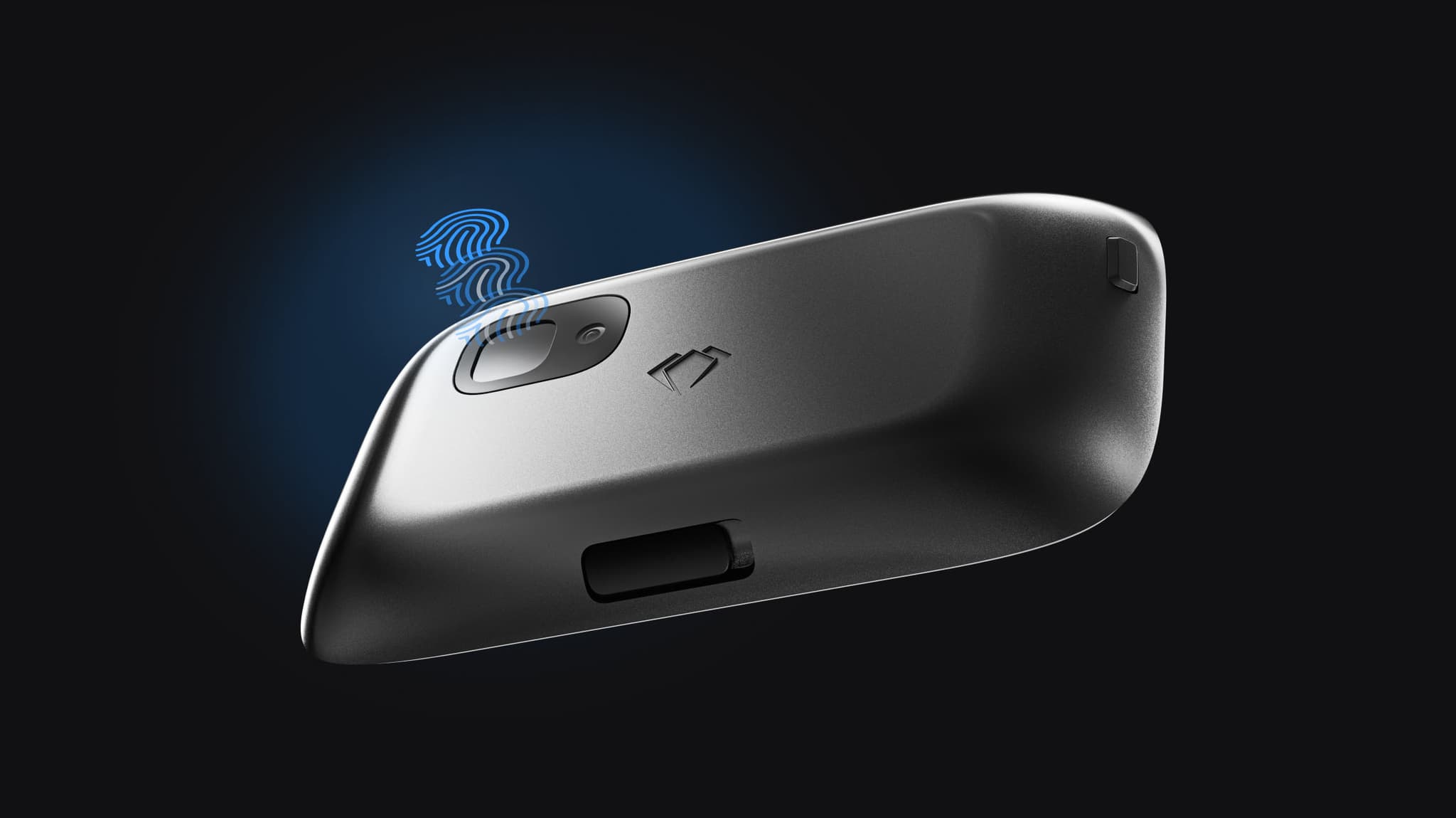
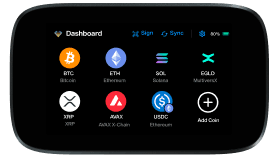
NGRAVE ZERO is a fully air-gapped hardware wallet. It has no Bluetooth, Wi-Fi or NFC, signs transactions by QR code, and uses its USB-C port only for charging and secure firmware updates. There have been no compromises or hacks of the ZERO since launch in 2021.
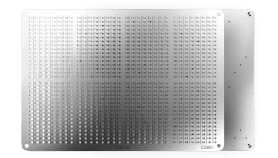
GRAPHENE is NGRAVE’s backup: two stainless steel plates that work together, so a single plate on its own gives a finder no information about your key.